
Fertility Nutrition: Foods That May Boost IVF Success
Nutrition plays a significant role in reproductive health. While diet alone cannot guarantee IVF success, a well-balanced, nutrient-rich eating plan can improve egg quality, sperm health, hormonal balance, and uterine receptivity — all of which are critical factors in a successful IVF outcome. At IVF CAFE Clinic, we encourage patients to optimize their nutrition as part of a holistic approach to fertility.
Why Nutrition Matters in IVF
The eggs and sperm that will be used in your IVF cycle are affected by your nutritional status in the months leading up to treatment. Certain nutrients support follicle development, protect eggs from oxidative damage, improve sperm DNA integrity, and support a healthy uterine lining for implantation.
Top Fertility-Boosting Foods
1. Leafy Green Vegetables
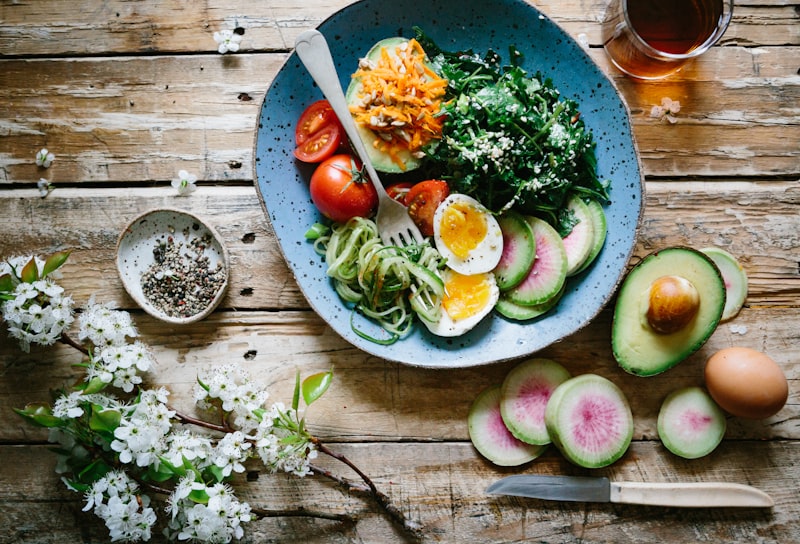
Spinach, kale, and fenugreek are rich in folate, iron, and antioxidants. Folate is essential for healthy cell division and is particularly important in early embryo development. Adequate folate intake before and during IVF significantly reduces the risk of chromosomal abnormalities.
2. Whole Grains
Brown rice, oats, quinoa, and whole wheat bread provide complex carbohydrates that regulate blood sugar and insulin levels. Stable insulin is critical for women with PCOS, as high insulin can disrupt ovulation and hormone balance.
3. Healthy Fats — Avocado, Nuts & Olive Oil
Monounsaturated fats found in avocados, almonds, walnuts, and cold-pressed olive oil support hormone production and reduce inflammation. Omega-3 fatty acids from walnuts and flaxseeds also improve blood flow to the uterus and support embryo implantation.
4. Lean Protein Sources
Protein is essential for egg development and hormonal function. Include plant proteins (lentils, chickpeas, beans) and lean animal proteins (eggs, fish, chicken) in your diet. Research suggests that plant-based protein sources may be particularly beneficial for fertility.
5. Berries & Colourful Fruits
Blueberries, strawberries, pomegranate, and citrus fruits are packed with antioxidants — including vitamins C and E — that protect eggs and sperm from oxidative stress and DNA damage. Antioxidants are especially important for improving sperm quality in male factor infertility.
6. Dairy & Calcium-Rich Foods
Full-fat dairy products — including milk, yoghurt, and paneer — have been associated with improved ovulatory function in some studies. Calcium also plays a role in egg activation during fertilization.
7. Iron-Rich Foods
Low iron levels are linked to anovulation (lack of ovulation). Include iron-rich foods such as spinach, lentils, beetroot, and fortified cereals. Pair them with vitamin C-rich foods to enhance absorption.
Foods to Limit During IVF
- Processed and ultra-processed foods — high in trans fats and refined sugars that disrupt hormones
- Alcohol — associated with reduced IVF success rates in multiple studies
- Caffeine — limit to under 200mg per day (approximately one cup of coffee)
- High-mercury fish — tuna, swordfish, and shark can impair embryo development
- Soy in excess — phytoestrogens may interfere with hormone balance in some individuals
Key Supplements to Discuss with Your Doctor
- Folic acid / Methylfolate — 400–800 mcg daily before and during treatment
- Vitamin D — low levels are linked to reduced implantation rates
- CoQ10 (Ubiquinol) — improves mitochondrial function in eggs and sperm
- Omega-3 fatty acids — support uterine receptivity and sperm quality
- Zinc & Selenium — important for sperm production and egg maturation
Always consult your fertility specialist at IVF CAFE Clinic before starting any supplement, as some may interfere with your medication protocol.
Ready to Start Your Fertility Journey?
Speak with our fertility specialists at IVF CAFE Clinic and get a personalized treatment plan tailored to you.
Book a Consultation